Demographics · Africa ranking
Rural Population by African country
Malawi has the highest reported share of the population living in rural areas among the 54 countries shown, at 82.4% (2025).
Share of the population living in rural areas. 54 of 54 countries are shown. Open a country to see its source details and available history.
 Malawi
 Niger
Niger South Sudan
By region
Full ranking
| # | Country | Rural Population | |
|---|---|---|---|
| 1 | Malawi | 82.4% | |
| 2 | Niger | 81.6% | |
| 3 | South Sudan | 78.3% | |
| 4 | Ethiopia | 75.9% | |
| 5 | Burundi | 74.3% | |
| 6 | Eswatini | 73.3% | |
| 7 | Chad | 72.4% | |
| 8 | Burkina Faso | 71.1% | |
| 9 | Rwanda | 69.1% | |
| 10 | Uganda | 68.1% | |
| 11 | Kenya | 67.8% | |
| 12 | Mali | 67.8% | |
| 13 | Madagascar | 67.1% | |
| 14 | Comoros | 66.1% | |
| 15 | Eritrea | 65.5% | |
| 16 | Sudan | 65.1% | |
| 17 | Tanzania | 63.1% | |
| 18 | Mozambique | 62.8% | |
| 19 | Guinea | 61.5% | |
| 20 | Mauritius | 61% | |
| 21 | Zimbabwe | 59.5% | |
| 22 | Egypt | 57.1% | |
| 23 | Togo | 55.6% | |
| 24 | Central African Republic | 55.4% | |
| 25 | Lesotho | 55.3% | |
| 26 | Democratic Republic of the Congo | 54.9% | |
| 27 | Seychelles | 54.5% | |
| 28 | Zambia | 54.1% | |
| 29 | Sierra Leone | 54.1% | |
| 30 | Guinea-Bissau | 53.3% | |
| 31 | Namibia | 49.1% | |
| 32 | Benin | 46.6% | |
| 33 | Cote d'Ivoire | 45.5% | |
| 34 | Somalia | 44.9% | |
| 35 | Cameroon | 44.3% | |
| 36 | Senegal | 44.2% | |
| 37 | Liberia | 43.9% | |
| 38 | Ghana | 41.1% | |
| 39 | Mauritania | 38.5% | |
| 40 | Morocco | 36.9% | |
| 41 | Nigeria | 36.2% | |
| 42 | South Africa | 36.2% | |
| 43 | Republic of the Congo | 35.9% | |
| 44 | Gambia | 35% | |
| 45 | Botswana | 32% | |
| 46 | Sao Tome and Principe | 30.8% | |
| 47 | Tunisia | 29.3% | |
| 48 | Angola | 28.5% | |
| 49 | Equatorial Guinea | 28.4% | |
| 50 | Djibouti | 27% | |
| 51 | Algeria | 24.2% | |
| 52 | Cabo Verde | 22.4% | |
| 53 | Libya | 12.1% | |
| 54 | Gabon | 7.9% |
 Ethiopia
 Burundi
 Eswatini
 Chad
Chad Burkina Faso
 Rwanda
 Uganda
 Kenya
Kenya Mali
Mali Madagascar
 Comoros
 Eritrea
 Sudan
Sudan Tanzania
 Mozambique
 Guinea
 Mauritius
 Zimbabwe
 Egypt
Egypt Togo
Togo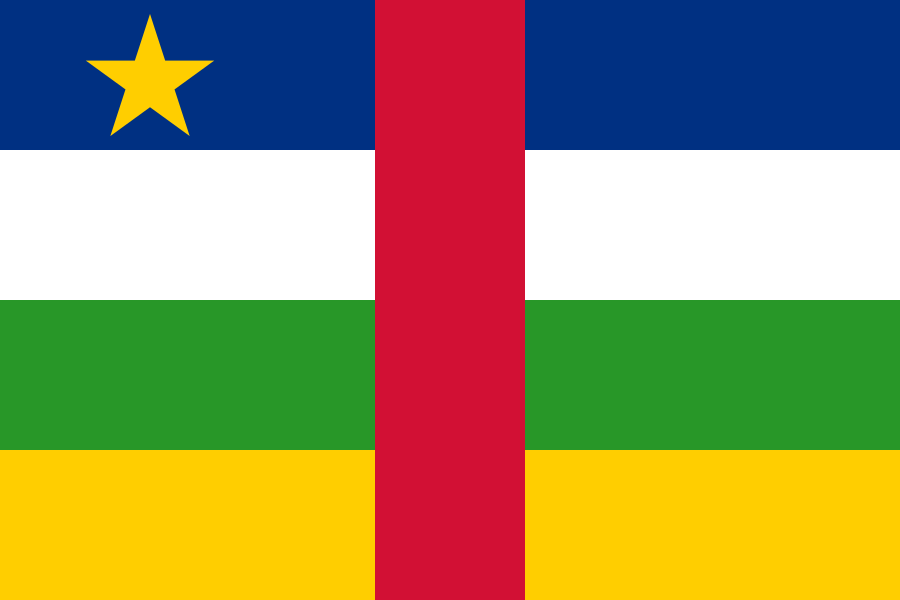 Central African Republic
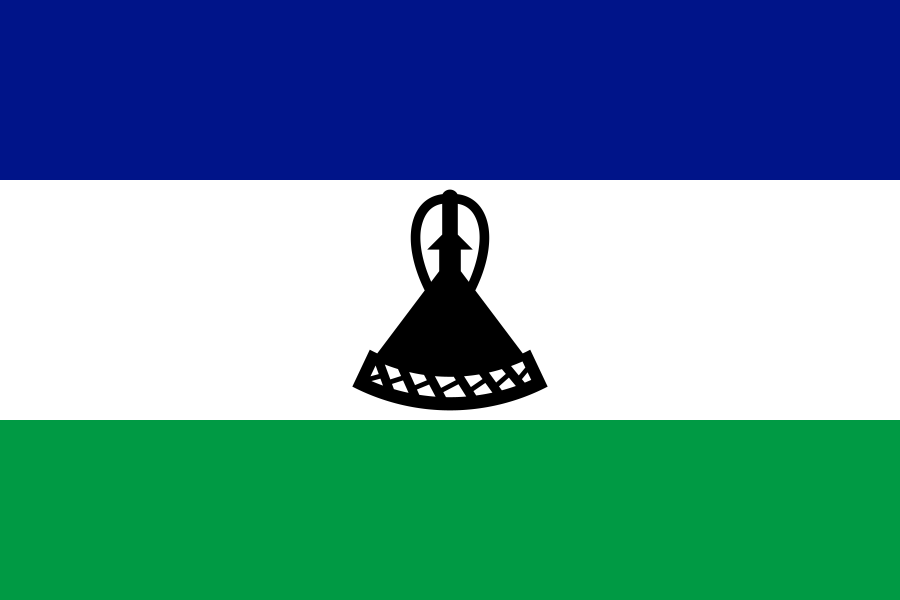 Lesotho
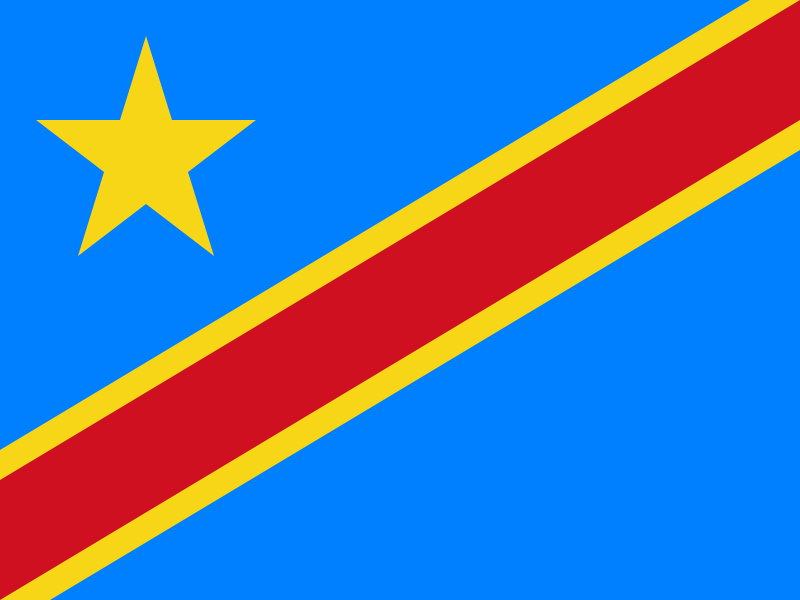 Democratic Republic of the Congo
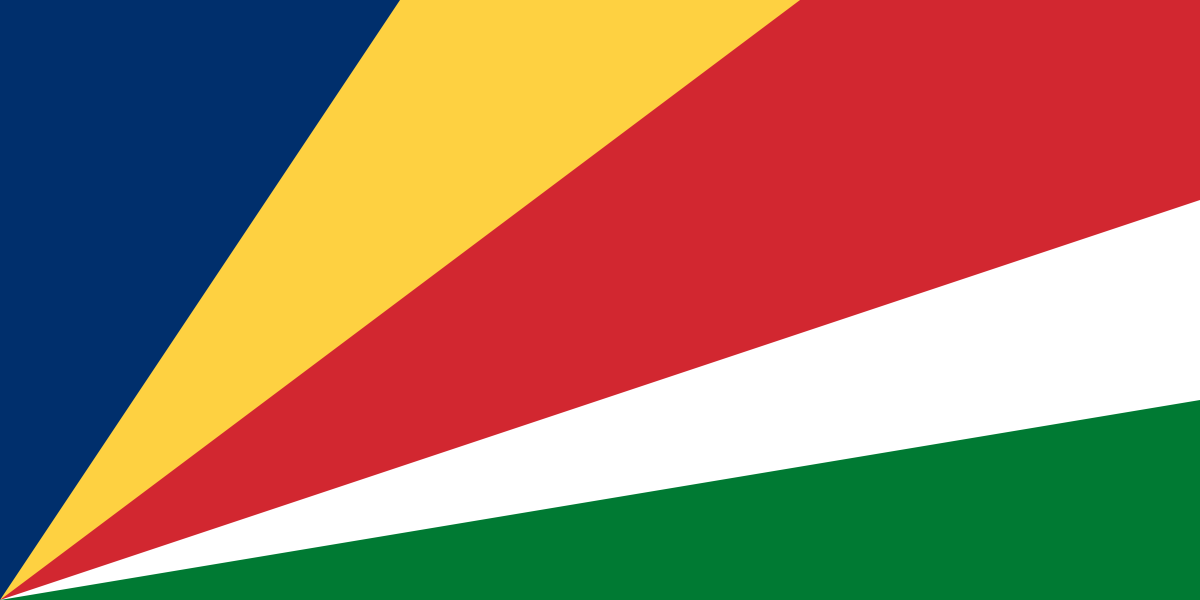 Seychelles
 Zambia
 Sierra Leone
 Guinea-Bissau
 Namibia
 Benin
Benin Cote d'Ivoire
 Somalia
 Cameroon
 Senegal
 Liberia
 Ghana
Ghana Mauritania
 Morocco
 Nigeria
 South Africa
 Republic of the Congo
 Gambia
 Botswana
 Sao Tome and Principe
 Tunisia
 Angola
 Equatorial Guinea
 Djibouti
 Algeria
 Cabo Verde
 Libya
Libya Gabon
GabonGet this ranking via API
Request the latest available Rural Population values for the selected countries as JSON. The response includes source metadata; check reporting periods before comparing values.
curl "https://api.africa-api.com/v1/data?metric_key=rural_population_pct&latest=true&country_codes=NG,KE,ZA,EG" \
-H "Authorization: Bearer $AFRICA_API_KEY"Cite or republish this ranking
Check the original source's reuse conditions before republishing. Keep each observation's source and reporting period with the value, and link to this page. See the terms and source metadata reference.
Embed this ranking
Paste this snippet into a page that supports iframes. The chart loads the available ranking observations and includes their reporting periods. A link to this page is included.
About this ranking
Which observations are included?
The table includes 54 of 54 countries with available observations for 2023 or later and within 2 years of the freshest result. Each row shows its reporting period. Countries without an eligible observation are omitted.
Does a higher value mean a better result?
The table is sorted by value, from highest to lowest. The order does not rate a country's performance. Interpretation depends on the indicator and its definition.
More demographics rankings